

Handling rental qualities involves much a lot more than obtaining regular rent. Property homeowners must monitor expenses, monitor income flow, determine depreciation, and make for tax revealing through the entire year. With out a structured system, financial error can ver quickly become overwhelming. This really is where rental property expense tracker becomes important, supporting landlords automate files, minimize manual problems, and get real-time visibility within their financial performance.
Why Do Rental Property Owners Require Particular Accounting Resources?
Statistics show that more than 606 of small property homeowners still count on spreadsheets or information accounting methods. While spreadsheets might seem convenient, they frequently lack automation, integration, and audit-ready documentation. Modern accounting systems developed for rental operations centralize money monitoring, categorize expenses quickly, and make economic reports in seconds.
Qualified instruments are made to handle continuing book invoices, preservation costs, safety remains, and seller payments in a structured way. That guarantees submission, precision, and improved operational efficiency.
How Does Accounting Software Improve Financial Reliability?
Financial errors may somewhat influence gain margins. Industry studies suggest that handbook information entry raises the chance of miscalculations by as much as 27%. Automatic accounting programs lower this chance by syncing transactions straight from bank records, categorizing them correctly, and flagging inconsistencies.
With automation, property homeowners may:
Track book payments in real-time
Check late balances quickly
Report preservation expenses methodically
Generate monthly and annual revenue claims
Prepare tax-ready economic summaries
This level of precision helps better decision-making and long-term expense planning.
What Critical Characteristics Should Property Owners Search For ?
When assessing accounting alternatives, rental property owners must prioritize characteristics that align using their operational needs. Necessary components contain:
Computerized Book Tracking: Continuing invoices and automated cost pointers lower late funds and administrative workload.
Expense Categorization: Structured tracking of utilities, fixes, insurance, and management fees increases financial clarity.
Tax Reporting Methods: Integral duty summaries simplify end-of-year revealing and minimize preparation time.
Cloud-Based Accessibility: Secure, distant accessibility allows landlords to manage finances from any device.
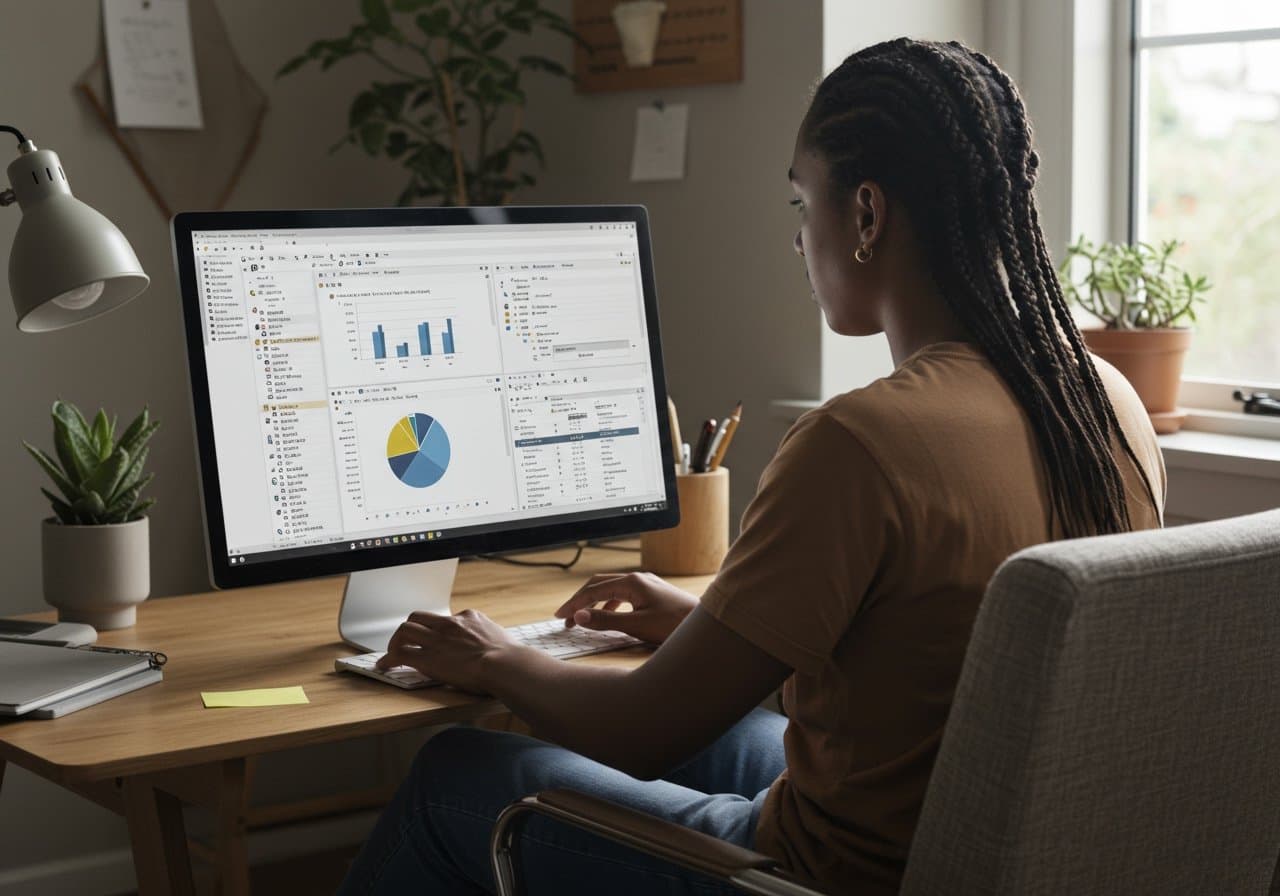
Economic Dashboards: Aesthetic ideas into money movement, net operating income, and occupancy rates help better decisions.
May Accounting Software Improve Profitability?
Data-driven property administration leads to increased profitability. According to financial technology use reports, landlords applying automated programs record as much as 15% higher working effectiveness in comparison to these applying guide systems. Performance means charge savings, fewer overlooked deductions, and improved lease collection rates.
Also, apparent economic checking helps identify underperforming units, rising maintenance costs, or unnecessary expenditures. By analyzing reports, owners may regulate rental pricing strategies and preservation preparing to guard income margins.

How Does Software Simplify Tax Compliance?
Duty year is one of the most challenging intervals for rental property owners. Prepared accounting techniques keep year-round certification of deductible costs such as property repairs, insurance premiums, and mortgage interest. Computerized confirming functions reduce last-minute stress and provide correct summaries for tax professionals.
By maintaining comprehensive purchase histories and categorized reports, property homeowners minimize audit risks and increase compliance with local financial regulations.
What Is the Long-Term Price of Digital Accounting ?
Adopting qualified accounting resources is not only about convenience—it is all about sustainable economic growth. As rental portfolios expand, manual tracking becomes inefficient and risky. Electronic systems degree along side organization growth, encouraging numerous houses, diverse income streams, and complicated expense structures without added administrative strain.
Furthermore, centralized financial information improves visibility when seeking loans, refinancing homes, or introducing economic efficiency to investors. Obvious documentation strengthens standing and accelerates economic approvals.
Is It Time for you to Modernize Rental Property Accounting ?
The rental property industry is growing, and economic management criteria are growing along with it. Technology-driven accounting options empower landlords to work with professionalism, reliability, and confidence.
For rental property homeowners striving to simplify accounting, improve income movement awareness, and make for scalable development, investing in sophisticated accounting software is a proper move. In today's aggressive real-estate setting, streamlined financial management isn't optional—it is really a elementary necessity for long-term success.