

Handling outside changes efficiently can immediately influence profitability, tenant satisfaction, and duty efficiency. Several landlords ask how can you deduct landscaping costs on rental property impacts annual deductions and long-term value. Knowledge the difference between schedule preservation and money improvements is essential to maximizing tax benefits while maintaining compliance. Based on property market research, well-maintained rental qualities can command 5–12% higher rental prices, creating exterior preservation an economic strategy—not only a cosmetic choice.
What Landscaping Expenses Are Typically Deductible?
Schedule landscaping maintenance is usually regarded a current running expense. This may include:
Lawn trimming and cutting
Seasonal planting
Fertilizing and pest get a grip on
Irrigation repairs
Slight pine shaping
These costs are normally deductible in exactly the same year they are incurred since they maintain the property's present situation rather than improve it.
Industry statistics declare that landlords spend approximately 8–15% of the annual preservation budget to outside upkeep. Houses with regular preservation knowledge decrease tenant turnover costs, reducing vacancy costs by an projected 20%.

When Is Landscaping Considered a Capital Improvement?
Landscaping crosses into capital improvement terrain when it increases the property's value, prolongs their helpful life , or adapts it for new use. Cases contain:
Adding new irrigation programs
Introducing preserving surfaces
Important tree elimination linked with architectural improvements
Building outside patios or paths
Money improvements are generally depreciated over time as opposed to deduced immediately. Depreciation spreads the duty gain across multiple decades, aiming with the asset's useful life.
Real-estate data implies that structured outside changes can improve property resale value by as much as 15%, particularly in competitive rental markets.
How Does Tree Removal Fit into Tax Classification?
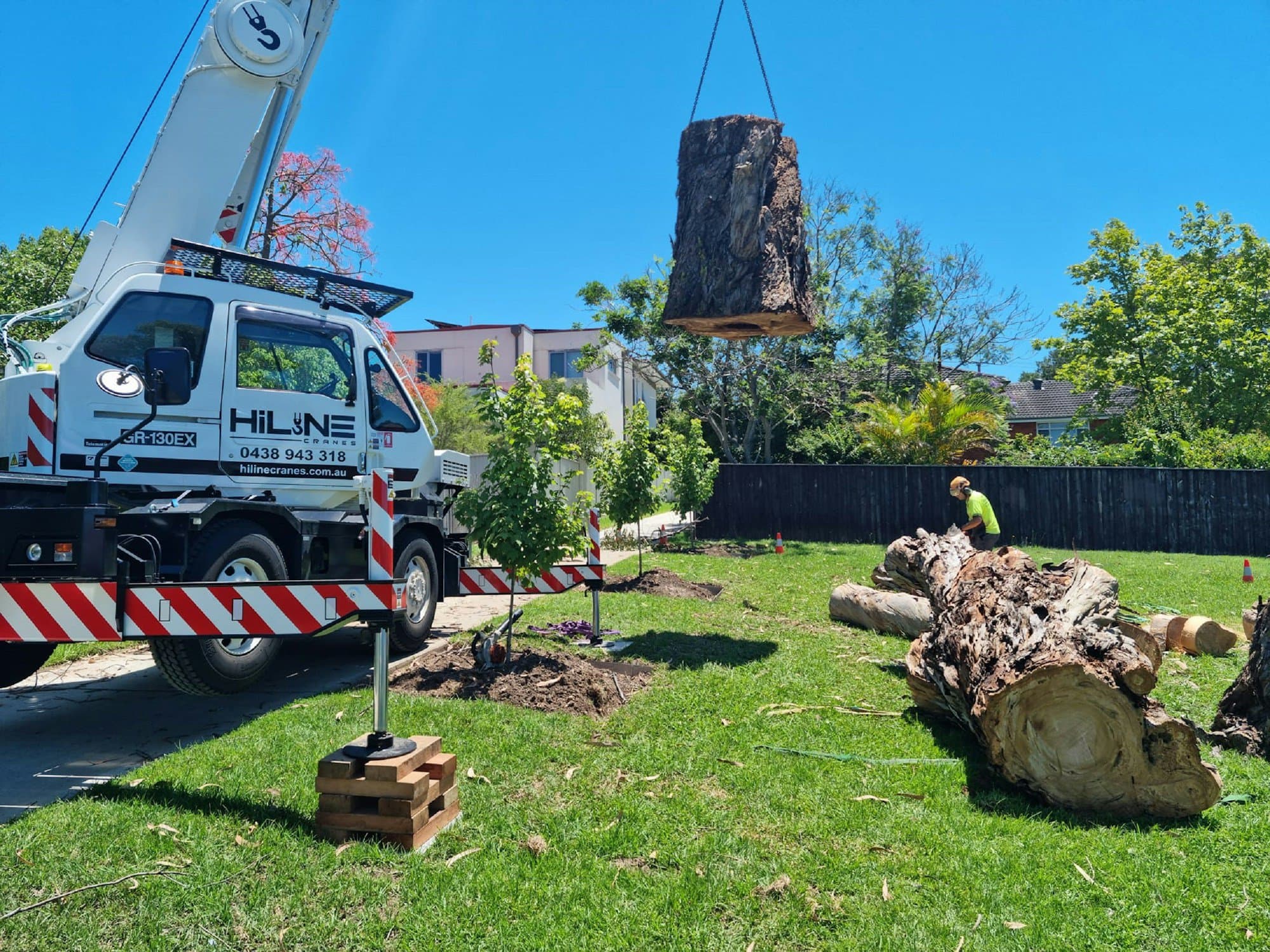
Tree treatment might belong to different types depending on context:
Preservation reduction if the tree was diseased or posed a security hazard.
Money improvement if removal was section of a broader property redesign.
Safety-related removals tend to be handled as necessary maintenance, particularly when reported properly. Landlords must maintain invoices and final documents to guide classification decisions.
Why Does Proper Classification Matter?
Incorrect classification can lead to overstated deductions or missed depreciation opportunities. Economic audits usually target on money improvements versus functioning expenses since the timing of deductions right affects taxable income.
Statistically, little property homeowners who keep arranged digital price tracking lower duty filing mistakes by nearly 30%. Distinct certification strengthens submission and simplifies financial reporting.
Can Landscaping Improve Tenant Retention?
Yes. Curb appeal somewhat influences tenant perception. Surveys indicate that:
72% of visitors consider external look when restoring leases.
Landscaped properties attract tenants 10–15 days faster on average.
Outdoor amenities can warrant simple rent increases without affecting occupancy.
Proper landscaping opportunities therefore give both operational and duty benefits.
How Should Landlords Track Landscaping Costs?
Skilled financial management practices suggest:
Breaking up maintenance and money costs in accounting computer software
Preserving contractor invoices and company agreements
Photographing before-and-after changes
Researching expenses quarterly for tax planning adjustments
Structured checking not merely simplifies tax reporting but in addition provides data-driven insights into property performance.
What Trends Are Shaping Landscaping Decisions?
New styles in rental property management contain:
Low-maintenance native seed installations
Water-efficient irrigation programs
Eco-friendly hardscaping components
Outside provided areas in multi-unit qualities
Sustainability-focused improvements can minimize long-term power expenses by around 25%, improving over all internet running income.
Final Takeaway
Landscaping conclusions ought to be evaluated through equally an economic and tax-planning lens. Routine preservation typically presents immediate deductions, while structural changes contribute to long-term depreciation benefits. Knowledge constantly shows that appropriately preserved fronts increase rental money, improve tenant retention, and improve property valuation.
For landlords trying to reinforce profitability, structured record-keeping and strategic planning about landscaping opportunities are essential. By understanding how outdoor changes are labeled and leveraging precise certification, property homeowners can confidently improve equally their duty outcomes and rental performance.